The Science of Dirt Oval Dynamics
Dirt oval racing is decided long before horsepower reaches the rear wheels. The competitive advantage comes from understanding how water, soil structure, compaction, temperature, and traffic combine to create a surface that changes from lap to lap. A well-prepared track can offer tremendous bite at the start of a program, then become polished and slick, develop a usable cushion, or split into several distinct lanes by the feature. Drivers who treat the surface as fixed are forced to react. Drivers who read its direction early can build speed before the change becomes obvious.
Track preparation begins with cultivation. Crews may loosen the upper layer with a grader or tiller, distribute moisture through the racing width, and then use rollers, packer trucks, or smooth-tired vehicles to consolidate the material. The objective is not simply to make the oval hard. It is to create a predictable base with enough moisture and texture to accept race traffic without breaking apart immediately. For racers, that means every corner must be read before turn-in. The dark strip, the emerging edge, the way the car loads under braking, and the color of the dirt ahead all provide information about where grip will exist when the throttle is reopened. That is why practical preparation discussions, such as this guide to dirt track preparation, emphasize timing, water penetration, packing, and local soil behavior rather than one universal recipe.
Track Curation and Mechanical Compaction Essentials
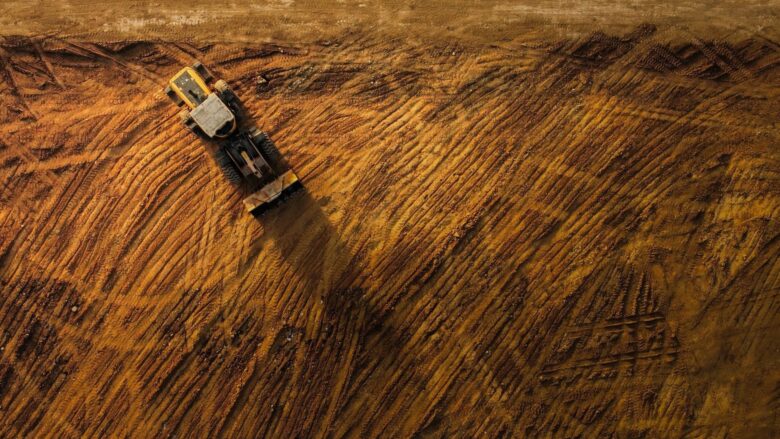
Heavy equipment establishes the platform on which racecraft develops. A grader can remove sharp ridges, restore banking, and blend material from the cushion into the lower groove. A packer truck or roller then presses the loosened dirt into a denser, more uniform layer. Smooth tires tend to seal the surface without cutting deeply, while specialized rollers can work moisture and material into the desired depth. The sequence matters. Packing too early can trap a dry layer underneath; packing too late can leave loose material that traffic quickly displaces.
Water management is the central balancing act. Deep saturation can produce a soft, heavy track with strong mechanical grip, but excess water may create wheelspin, ruts, and a surface that tears instead of polishing. Too little water allows evaporation and drying to reach the racing line before the program is complete. A crew must consider air temperature, wind, sunlight, drainage, and the time between watering and cars taking the green. Repeated light applications may allow moisture to migrate evenly, whereas a single heavy application can leave the top wet while the underlying layer remains inconsistent.
Soil composition determines how these decisions translate into grip. Clay generally holds moisture and can become extremely slick when polished, while silt and sandy material drain faster and may offer a more granular, abrasive feel. Shale-based surfaces vary according to particle size and how thoroughly the material has been screened or blended. Two tracks can receive the same volume of water and produce completely different results. Crew chiefs should therefore build a local record rather than copy settings from another venue. Useful preparation checkpoints include:
- Base uniformity: Confirm that the racing width has consistent depth, banking, and compaction before watering.
- Moisture distribution: Check whether water has penetrated below the surface or is merely sitting on top.
- Drainage behavior: Watch low areas where standing water can soften the entry or exit.
- Equipment effect: Note whether the grader cuts, the roller seals, or the packer creates a surface that crumbles under traffic.
- Traffic timing: Allow enough time for the final moisture application to settle without letting the top dry excessively.
Visual Cues and Surface Diagnostic Methods
Track reading starts with simple physical checks. The screwdriver test is useful because it reveals resistance through the upper surface rather than relying only on appearance. A crew member can press a screwdriver into several locations across the groove, entry, center, exit, and cushion, comparing how easily it penetrates and whether the material beneath the crust is damp. A hard skin over soft dirt suggests that cars may break through the top layer under braking or acceleration. Even penetration with firm resistance usually indicates a more stable base.
Color changes provide another fast diagnostic. Moist loam commonly appears darker because water changes the way the soil reflects light. As the surface dries, it can transition toward a lighter brown, tan, or gray appearance. On clay-heavy tracks, repeated traffic may polish the dirt into a gray, reflective strip that looks smooth but offers less bite. The most valuable comparison is not one color by itself, but the transition between colors. A dark inside lane next to a gray middle lane signals a different tire and throttle requirement, while a narrow dark band near the wall may reveal a developing cushion.
Surface damage also communicates what the chassis is doing to the track. Ruts at the apex often point to excessive wheelspin, soft moisture beneath a firmer top, or repeated loading in one lane. Chatter bumps can develop when tires alternately gain and lose grip over compacted irregularities, unsettling the car during braking or corner exit. A ledge forms when cars repeatedly push material toward the outside, leaving a distinct step between the polished racing lane and the cushion. Before the next session, inspect:
- Whether the rut begins before the apex or grows under acceleration on exit.
- Whether chatter is concentrated in the braking zone or continues through the center of the corner.
- Whether the cushion is firm enough to support a right-rear tire or soft enough to collapse under load.
- Whether the color change is broad and gradual or narrow and sharply defined.
Evolution of Racing Lines from Heats to the Feature
The first green flag rarely reveals the final race line. In heavy, tacky conditions, the inside berm often supplies the strongest mechanical grip. Cars can use a relatively direct arc, relying on the moist surface to accept throttle and hold the rear tires. The challenge is managing the force that makes the line fast. Aggressive wheelspin can tear the upper layer, moving moisture and dirt toward the outside and accelerating the transition to a slicker middle lane.
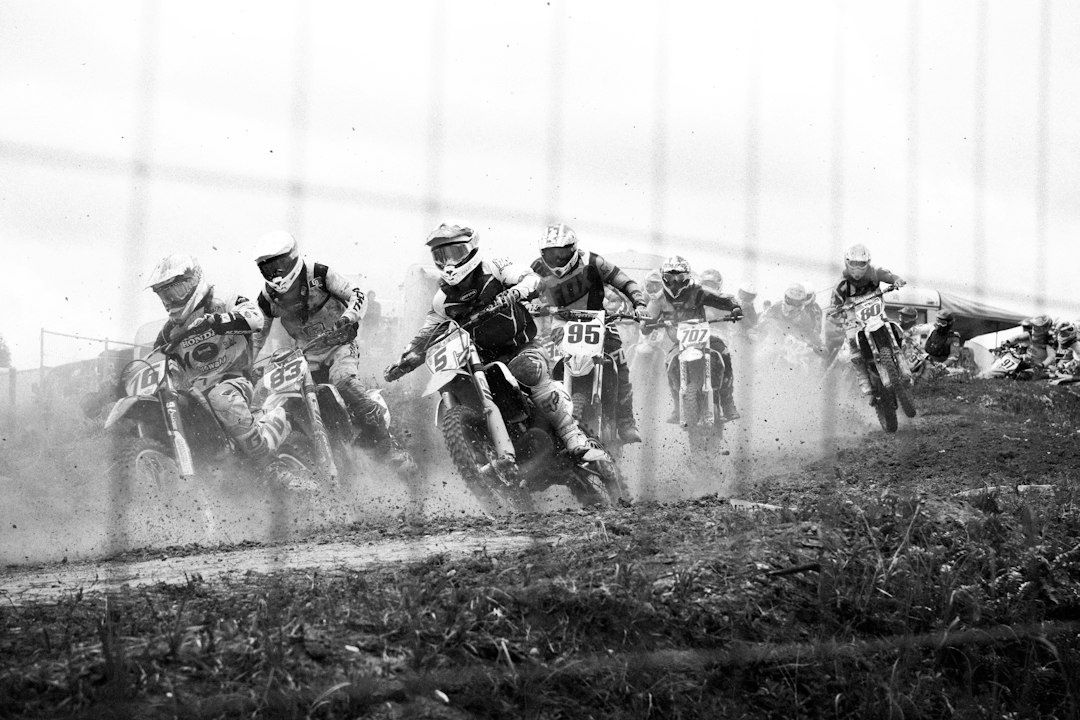
As heats and qualifying laps polish the surface, evaporation and traffic reduce the value of the original groove. The inside may remain physically shorter but become difficult to accelerate from, particularly for a car with a tight setup or excessive rear steer. Drivers may migrate toward a diamond-shaped line, entering low, allowing the car to rotate, and then crossing toward cleaner dirt on exit. Later, a cushion can develop near the wall as displaced material piles up and remains supported by the banking. That lane may offer exceptional drive if the edge is stable, but it also carries a higher risk of contact, rollover, or sudden collapse.
The following progression is a useful working model, not a guarantee. Weather, tire traffic, track width, and the order of racing divisions can move the track directly from heavy to slick or create multiple lanes at once.
| Track phase | Typical surface behavior | Racecraft priority |
|---|---|---|
| Heavy and tacky | Moisture is near the surface, and the inside berm provides strong bite | Control wheelspin, protect the rear tires, and use the shortest stable arc |
| Slicking off | The polished base offers less drive, while the groove broadens or shifts upward | Preserve momentum, soften throttle application, and search for cleaner exit dirt |
| Cushion and rubber development | Material builds near the wall, and repeated traffic may create a rubbered-in lane | Commit to the supported edge only when it remains predictable, while avoiding sudden steering inputs |
Mechanical Adjustments and Cockpit Adaptation
Chassis setup should reflect the expected direction of the surface, not merely the conditions observed during one early session. Stagger changes alter how readily the car rotates, while shock valving controls how quickly weight transfers across the corner. On a heavy track, a team may prioritize compliance and forward bite. As the surface dries and becomes abrasive, a more controlled platform can prevent excessive movement and protect the tire contact patch. Grooving or siping can help a tire clear material and maintain working edges, but those cuts must match the surface. Too much aggressive treatment can overheat or wear the tire when the track becomes rubbered down.
Adjustability is equally important once the feature begins. A driver may use cockpit-adjustable brake bias to control how the car behaves as the front and rear tires experience different grip levels. Moving bias rearward can help rotation when the front tires begin to slide, but too much rearward bias can destabilize the car under braking. Wing position, where the car permits it, can be changed to balance downforce and drag as the usable lane moves from the bottom toward the cushion. These are not substitutes for a sound baseline. They are tools for preserving the intended balance when the track no longer matches the setup sheet.
Driver technique completes the adjustment package. A polished, abrasive surface punishes abrupt throttle inputs because wheelspin consumes the tire without producing forward motion. The strongest approach is usually progressive throttle, a clean exit, and enough patience to let the tire load before asking for full power. A practical in-race sequence looks like this:
- Confirm the symptom: Decide whether the car is losing grip because of the track, tire temperature, setup balance, or an incorrect line.
- Change one controllable variable: Use brake bias, wing adjustment, throttle timing, or line choice before making several changes at once.
- Protect the tire: Reduce wheelspin and avoid repeated contact with a collapsing cushion or sharp rut.
- Compare laps: Judge the adjustment by corner-exit speed and consistency, not by one spectacular lap.
- Communicate immediately: Report where the surface changed, whether the change was progressive, and which lane is improving.
Mastering the Living Circuit for Victory
A dirt oval is a dynamic ecosystem, not a static piece of pavement with a layer of loose material on top. Its performance changes through moisture movement, compaction, evaporation, tire wear, and the cumulative effect of every car. The best baseline setup provides a starting point, but it cannot replace observation. A car that is perfect for the first heat may be too free when the feature slicks off, or too tight when the cushion becomes the only dependable source of drive.
Communication turns scattered clues into a competitive plan. The spotter can identify developing traffic patterns, the crew chief can connect those observations to setup changes, and the driver can report steering feel, throttle response, and surface transitions from inside the car. The decisive advantage belongs to teams that anticipate the shift before the majority of the field reacts. Read the moisture, verify the compaction, watch the color, respect the developing ledge, and adjust the line before grip disappears. On a living circuit, podium speed comes from making the next decision early.